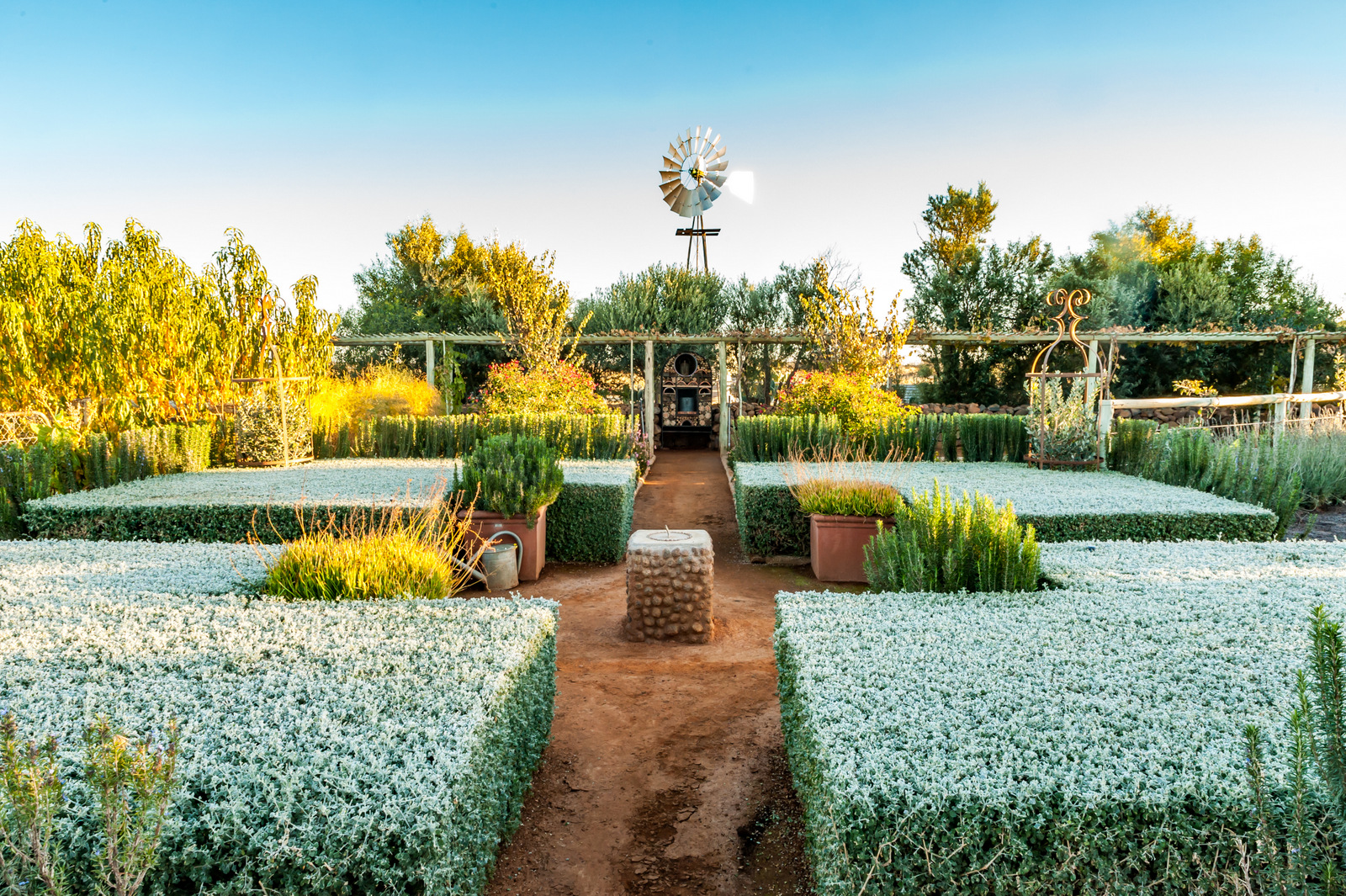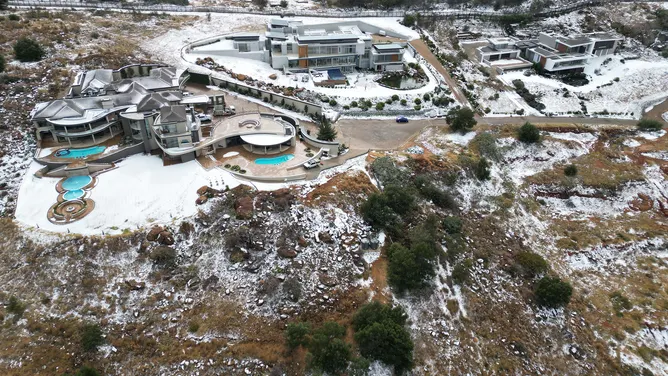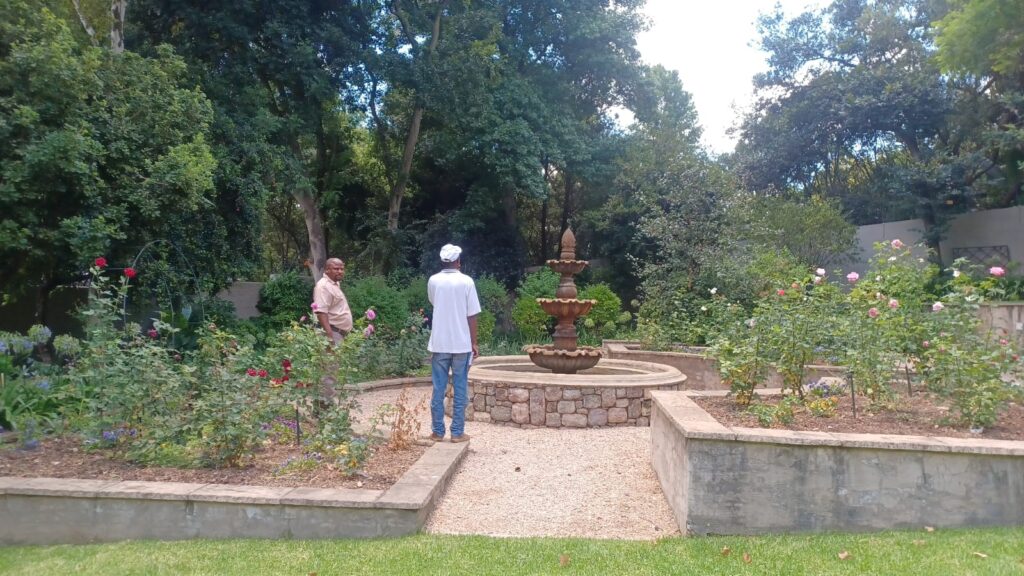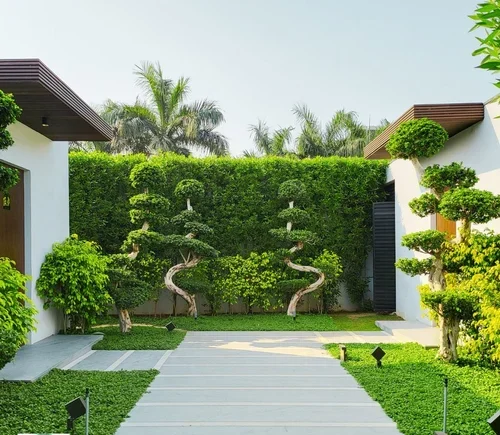
Landscaping Services Johannesburg: Transform Your Garden, Clean Your Property & Get Your Home Ready for Spring
Spring is the perfect time to give your property a fresh start. However, after winter, many Johannesburg properties need more than ordinary cleaning. That’s what we call landscaping services Johannesburg South Africa. Which includes Overgrown gardens, damaged outdoor areas, blocked roofs, unwanted trees, untidy sites and neglected swimming pools can quickly make a beautiful property look tired. Therefore, Last Builders provides professional landscaping and outdoor maintenance services in Johannesburg to help homeowners, landlords, businesses and property managers get their properties ready for the warmer season.
More importantly, you do not have to deal with several contractors for different jobs. Instead, Last Builders can assist with gardening and landscaping, swimming pool maintenance and installation, spring cleaning, outdoor repairs, tree felling and site clearing. Consequently, you can get more of your property maintenance requirements handled through one reliable contractor.
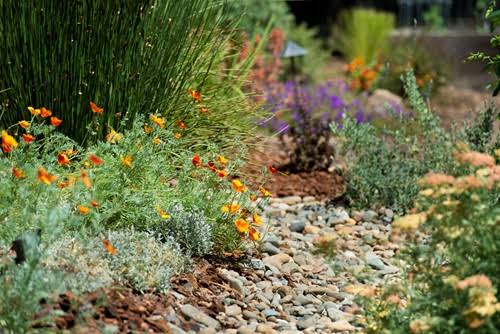
Professional Landscaping Services in Johannesburg, South Africa
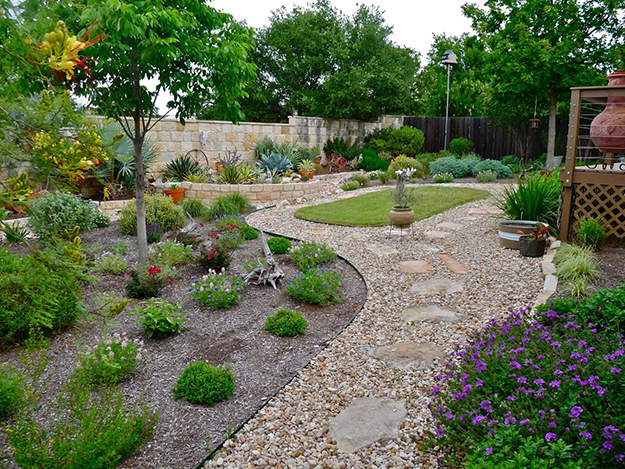
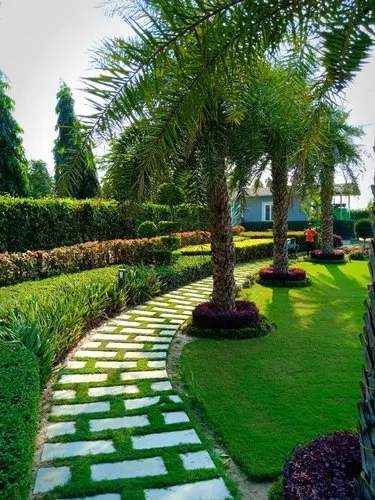
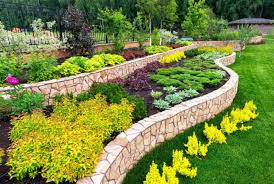
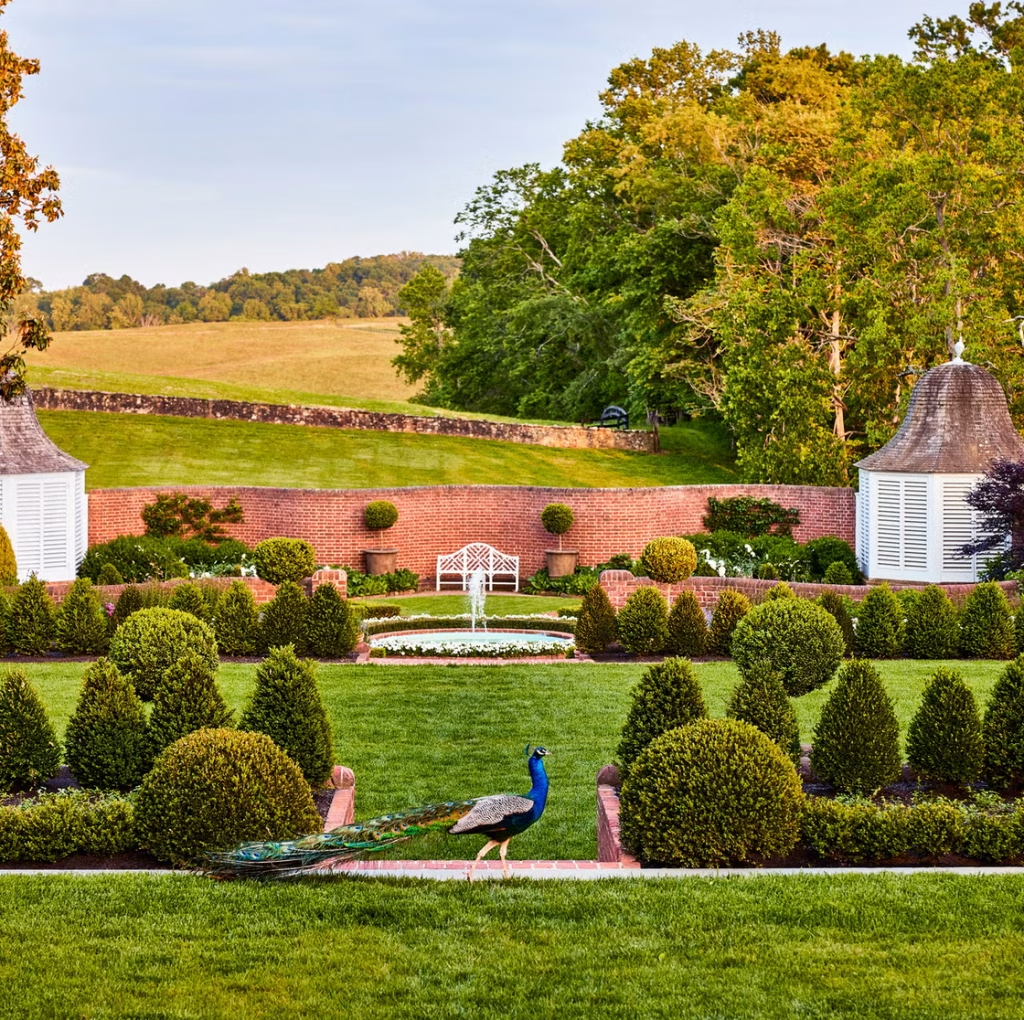
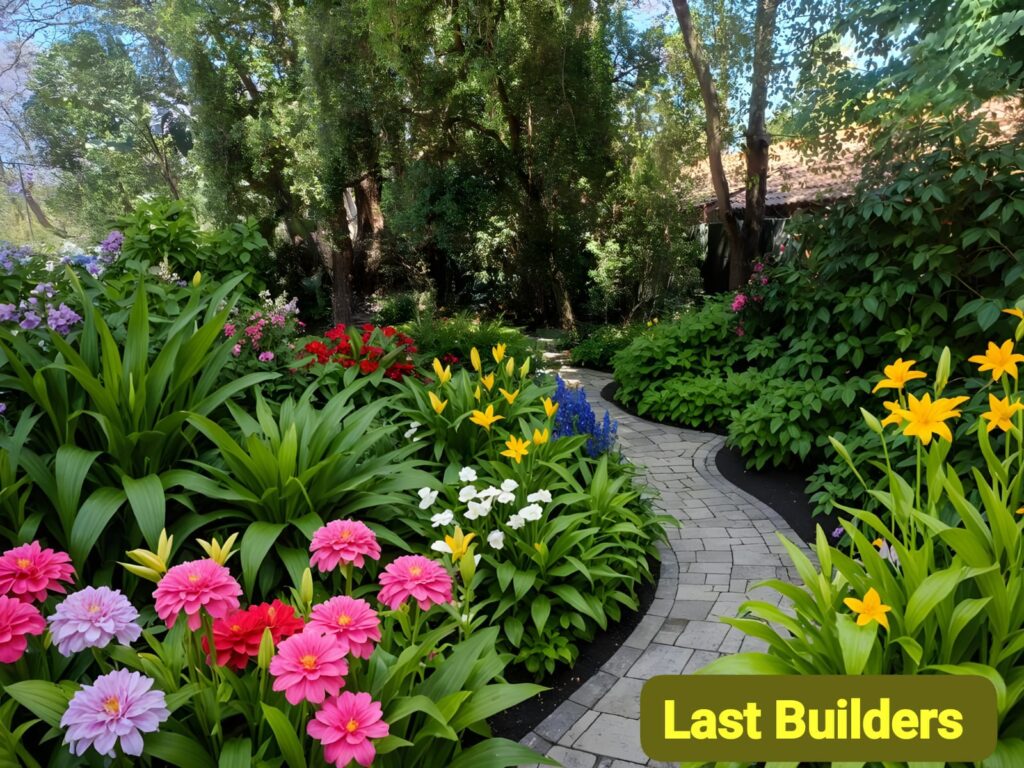
A well-maintained garden does more than improve the appearance of your property. In addition, it creates a cleaner, more welcoming and more enjoyable outdoor space. For this reason, Last Builders provides practical landscaping services in Johannesburg for residential and commercial properties.
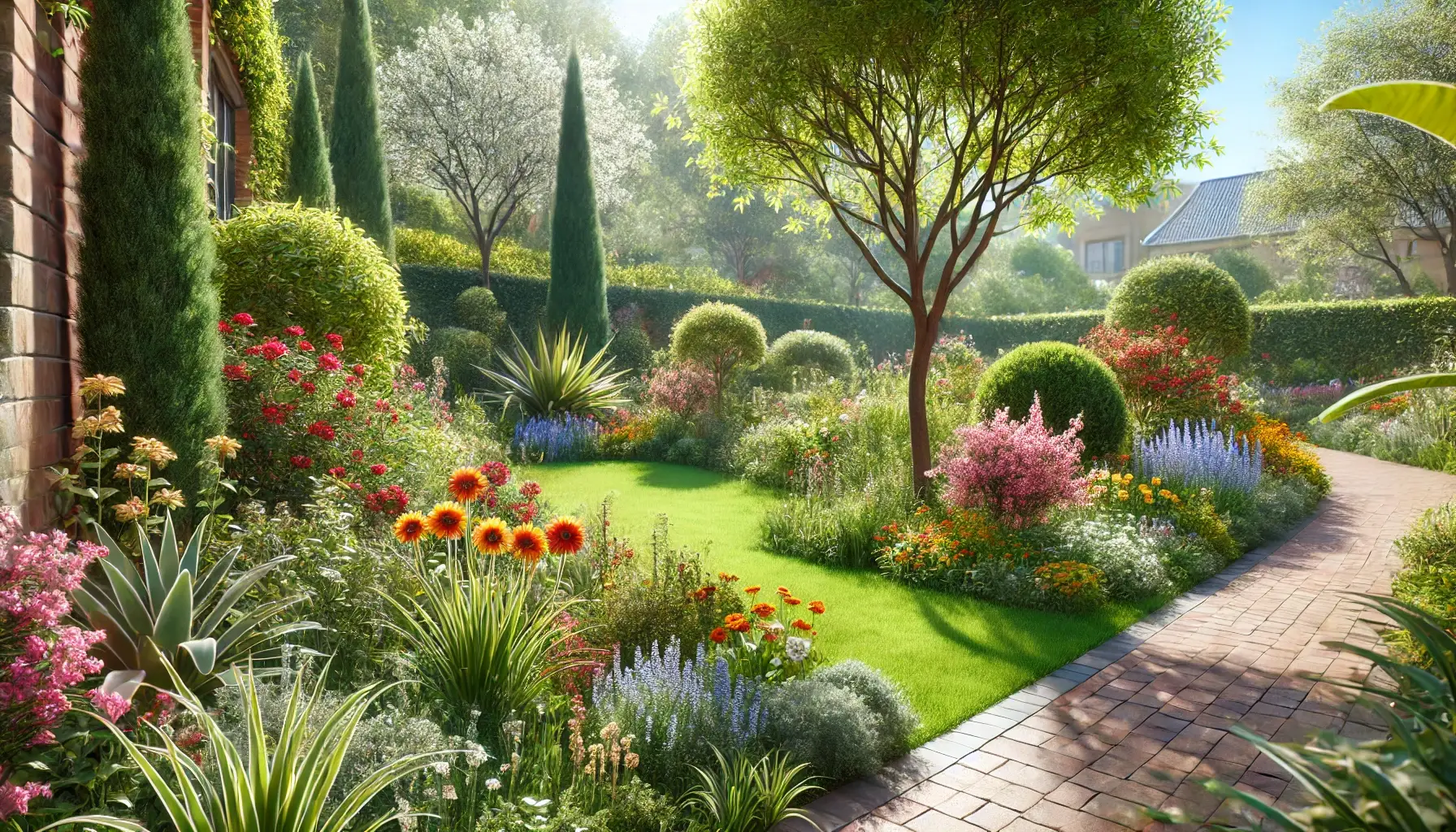
Whether your garden has become overgrown during winter, your lawn needs attention, trees need trimming, or your entire outdoor area needs a fresh look, our team can help. Furthermore, landscaping can include garden clean-ups, planting, lawn preparation, outdoor improvements and general garden maintenance.
Therefore, instead of allowing an untidy garden to reduce the appearance of your property. Contact Last Builders and request a quotation for your landscaping project.
Garden Services for Johannesburg Homes, Offices and Properties
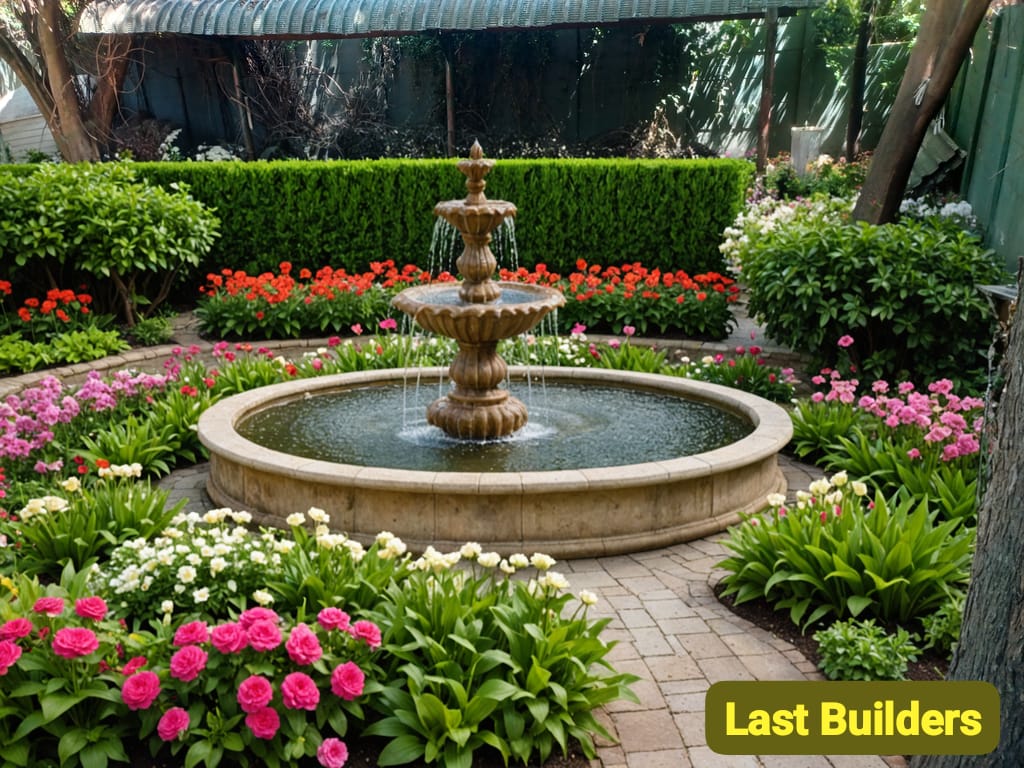
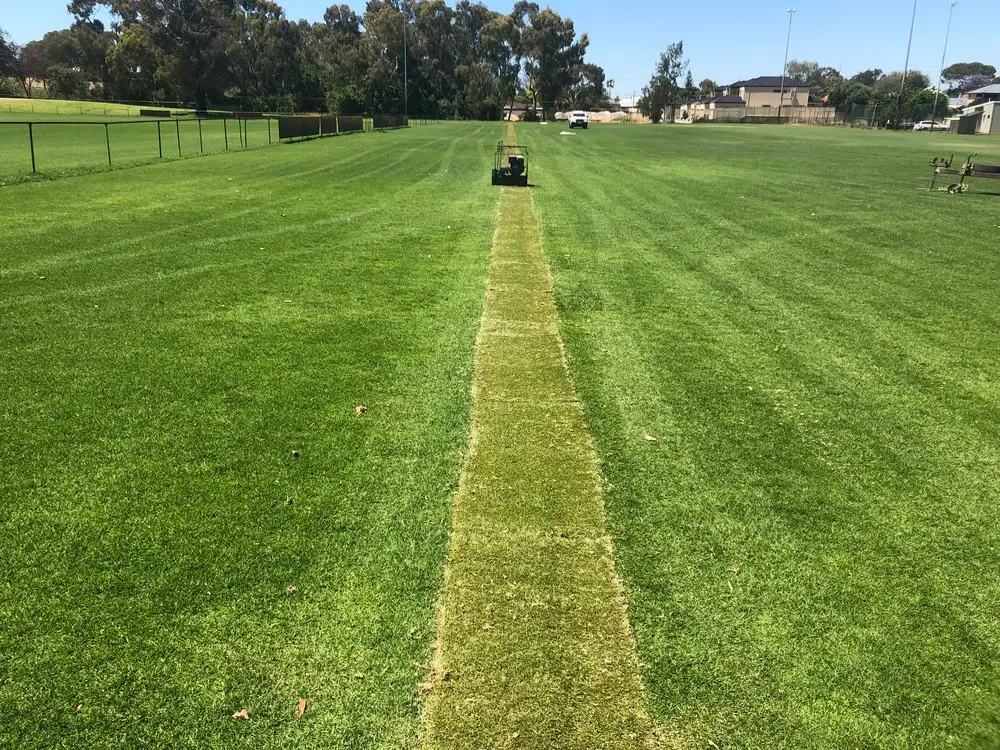
During winter, gardens can quickly become overgrown and difficult to maintain. As a result, property owners often need professional garden services to restore outdoor spaces before spring and summer arrive.
Last Builders can assist with garden maintenance, trimming overgrown vegetation, clearing winter debris and preparing lawns and outdoor areas for warmer weather. Additionally, regular garden maintenance helps keep your property looking neat throughout the year.
So, whether you need a once-off garden clean-up or ongoing assistance, Last Builders can help you restore your property’s outdoor appearance.
Tree Felling and Tree Removal Services
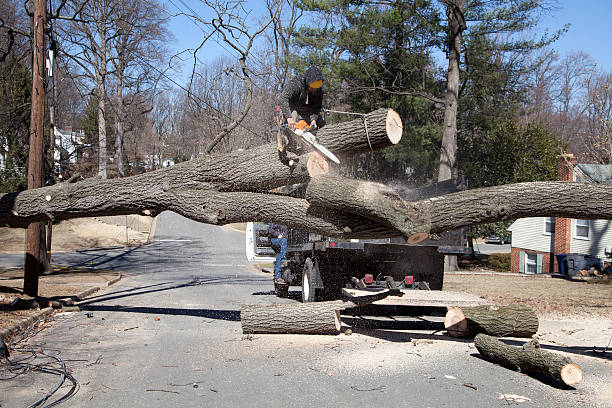
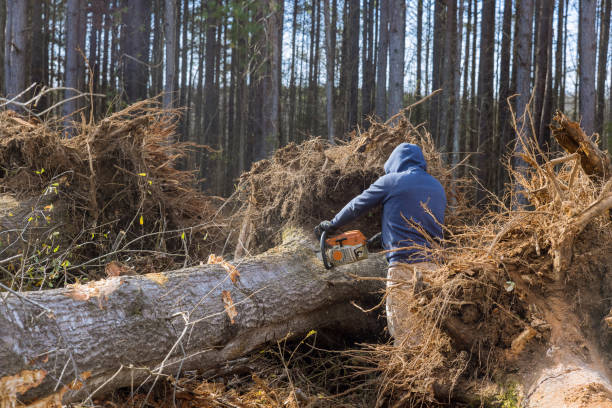
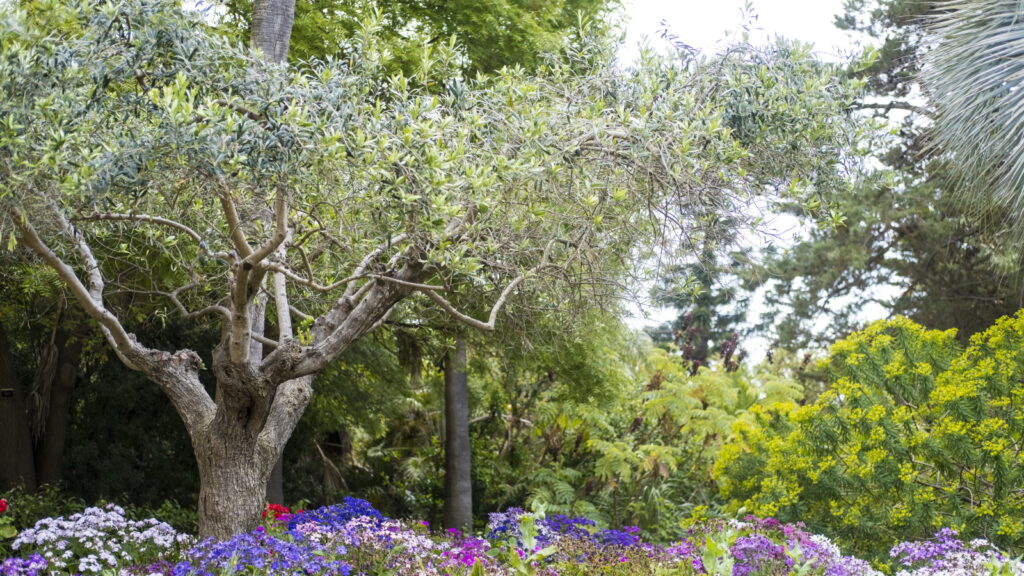
Trees are an important part of many Johannesburg properties. Nevertheless, overgrown, damaged or unwanted trees can become a problem when they interfere with buildings, walls, driveways or other parts of a property.
For that reason, Last Builders provides tree felling and tree removal services as part of our property maintenance solutions. Furthermore, removing unwanted vegetation can help make a property easier to maintain and prepare land for landscaping, construction or other improvements.
If you have a tree that needs attention, do not leave the problem until it becomes more difficult to manage. Instead, contact Last Builders to discuss the job and request a quotation.
Site Clearing and Bush Clearing in Johannesburg
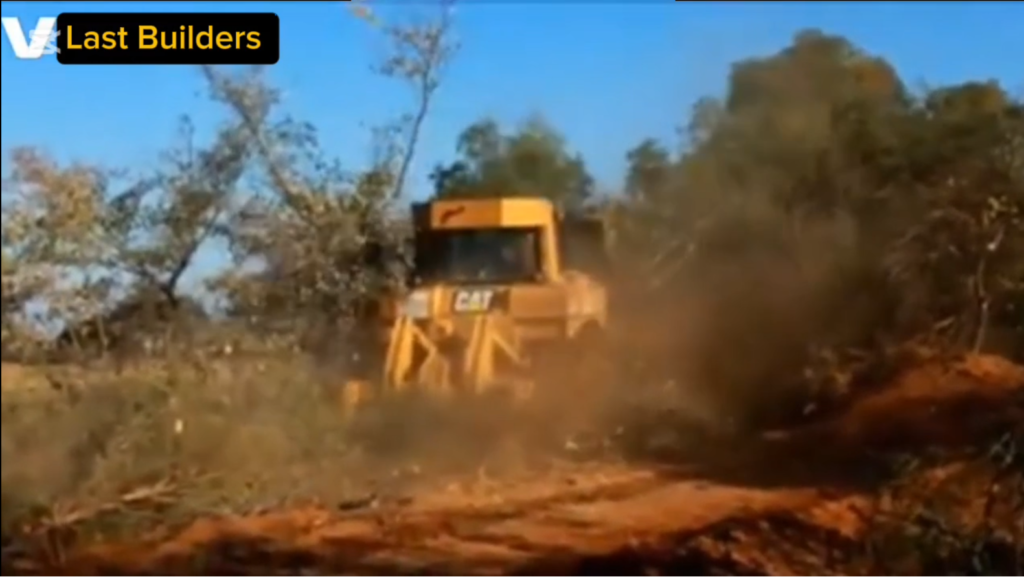
Before landscaping, construction, paving or other property improvements can begin, the site may need to be cleared. Therefore, Last Builders also provides site clearing services for properties that require the removal of unwanted vegetation, garden waste, debris and overgrown areas.
Whether you are preparing a residential property, commercial site or garden for a new project, proper clearing can make the area safer, cleaner and easier to work on. In addition, a properly cleared site gives you a better starting point for landscaping and outdoor construction work.
Consequently, when you need site clearing in Johannesburg, you can speak to Last Builders about the scope of work and obtain a quotation.
Swimming Pool Maintenance and Installation


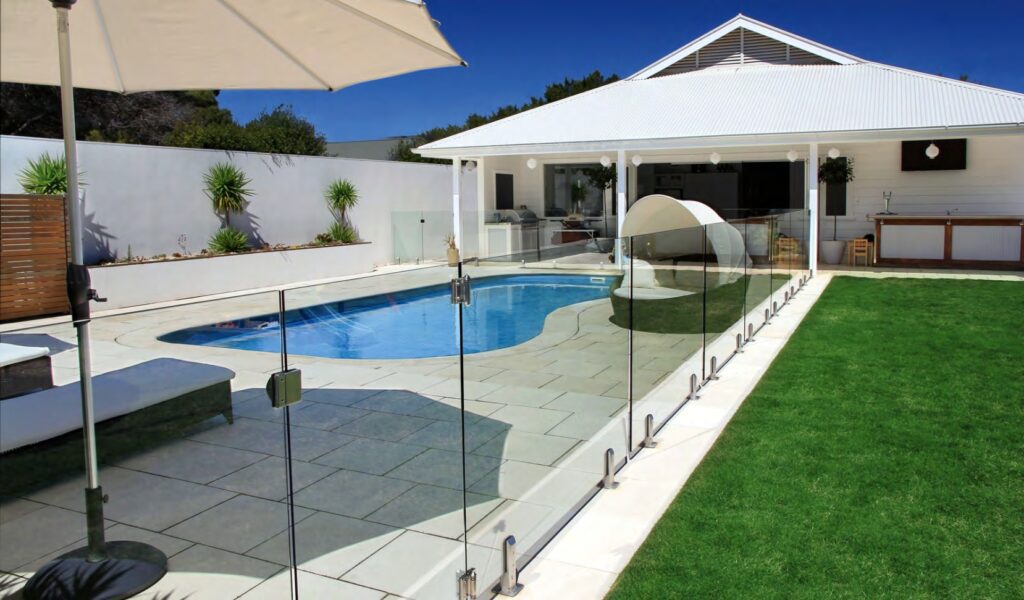
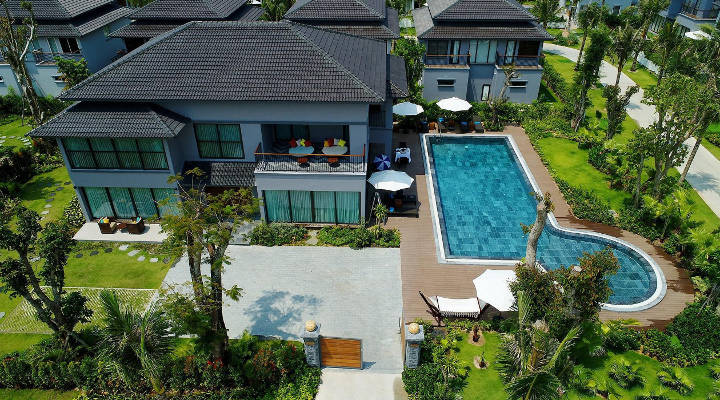
As temperatures begin to rise, swimming pools become a major part of outdoor living. However, pools that have been neglected during colder months may require cleaning, maintenance and repairs before they are ready to use.
Last Builders provides swimming pool maintenance and installation services, including assistance with cleaning, pumps and general pool preparation. Additionally, homeowners planning a new pool or improvements to an existing pool can contact us to discuss their requirements.
Therefore, rather than waiting until summer is already underway, get your swimming pool checked and prepared early.
Spring Cleaning Services for Homes and Businesses
Spring is also a time to refresh the inside of your property. After months of closed windows and colder weather, dust, dirt and accumulated debris can make a property feel less fresh.
For this reason, Last Builders can assist with spring cleaning services, helping homeowners and businesses refresh their spaces, clean windows and tackle areas that need deeper attention.
Moreover, combining spring cleaning with garden maintenance and outdoor repairs can give the entire property a more complete refresh. As a result, you can start the new season with a cleaner and more presentable home or business.
Outdoor Maintenance and Property Repairs
A property can look neglected even when the garden itself is clean if exterior maintenance has been ignored. Therefore, outdoor maintenance is an important part of keeping your property in good condition.
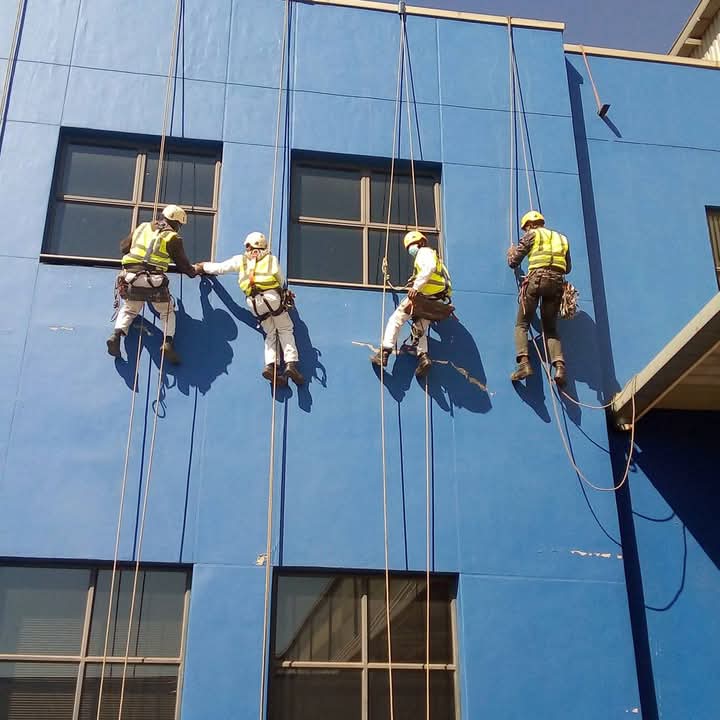
Last Builders can assist with outdoor maintenance requirements, including painting, roof inspections, plumbing-related repairs and other exterior work. Furthermore, identifying small problems early can help prevent them from becoming larger and more expensive property issues.
Whether your exterior needs attention after winter or you are preparing your property for sale, rental or occupation, our team can help you identify the work required.
Landscaping, Tree Felling, Cleaning and Property Maintenance — One Contractor
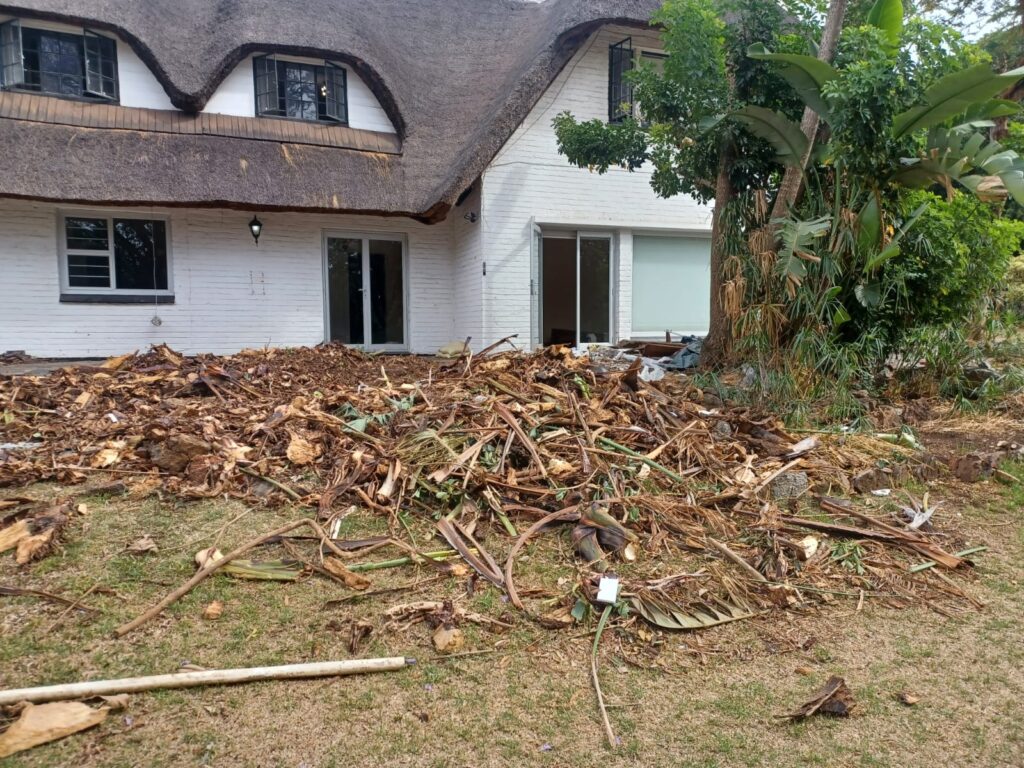
Finding different contractors for every property maintenance job can be frustrating. Instead, Last Builders gives property owners a convenient option for multiple services through one contractor.
From landscaping and garden services to tree felling, site clearing, swimming pool maintenance, spring cleaning and outdoor repairs, we can help you get your property ready for the season.
Most importantly, we understand that every property is different. Therefore, the right solution depends on the size of the property, the condition of the garden, the type of work required and your specific goals. That is why we encourage customers to contact us with their requirements so that we can assess the project and provide a suitable quotation.
Why Property Owners Choose Professional Landscaping and Maintenance
A professional service can save you time, reduce the amount of work you need to coordinate yourself and help you achieve a cleaner final result. Additionally, combining related services can make your property maintenance project more convenient.
Instead of allowing winter damage, overgrown vegetation or outdoor repairs to remain unfinished, start planning your property improvements now. Whether you need a simple garden clean-up or a larger landscaping and site-clearing project, Last Builders is ready to discuss your requirements.
Get a Quote from Last Builders Today
Your property deserves to look its best all year round. Therefore, do not wait for an overgrown garden, unwanted tree, dirty pool or unfinished outdoor repair to become a bigger problem.
Last Builders provides landscaping services, garden maintenance, swimming pool maintenance and installation, spring cleaning, outdoor maintenance and repairs, tree felling and site clearing. Consequently, you can contact one contractor to discuss multiple property improvement requirements.
If you are looking for landscaping services in Johannesburg, need tree felling, want to clear your property, or simply want your home or business ready for spring, contact Last Builders today.

Call or WhatsApp: +27 63 449 9467
Email: info@lastbuilders.com
Last builders is based in Johannesburg, South Africa
You can also complete our online quotation form and tell us what work you need. Once we receive your enquiry, we can discuss your requirements and help you take the next step toward a cleaner, safer and better-looking property.
Last Builders — Your Contractor for Landscaping, Tree Felling, Site Clearing and Property Maintenance in Johannesburg
Ready to transform your property? Contact Last Builders today for a quotation.